

Why does medical device calibration matter in healthcare?
Patient safety and accurate diagnostics
Precision treatment delivery
Early warning for equipment wear
Regulatory compliance and accreditation
Cost and liability reduction
Overview
Medical device calibration verifies measurement accuracy against recognized reference standards, supporting reliable clinical readings and informed healthcare decisions.
Regular calibration helps healthcare facilities identify measurement errors that could affect diagnosis and patient safety.
Calibration schedules should reflect equipment specifications, usage conditions, and applicable regulatory requirements.
SUCOFINDO provides medical device calibration services to help healthcare facilities verify equipment accuracy and maintain reliable measurement performance.
Introduction
A medical device can look perfectly functional and still produce inaccurate readings that affect patient care. In healthcare, even small measurement errors can delay or compromise recovery, making equipment reliability a critical concern for hospitals and medical facilities. This is why medical device calibration matters in healthcare, especially for organizations responsible for patient safety and regulatory compliance.
Maintaining reliable medical equipment takes more than checking whether a device switches on and operates normally. You need confidence that your equipment produces accurate measurements when clinical decisions depend on them. Read on to learn how calibration supports dependable healthcare services and why it belongs in your equipment management practices.
Patient Safety and Accurate Diagnostics

Accurate medical measurements help healthcare professionals assess a patient's condition and make appropriate clinical decisions. If a blood pressure monitor consistently reports incorrect readings, a clinician may underestimate or overestimate a patient's blood pressure. Calibration helps identify measurement deviations so healthcare teams can base their assessments on more reliable results.
Proper readings are especially important when a diagnosis depends on repeated measurements against established clinical thresholds. Calibration provides evidence of how an instrument performs against a recognized reference standard. This supports more reliable diagnostic decisions and reduces the risk of errors from poorly made measurements.
Precision Treatment Delivery
Medical device calibration supports treatment accuracy by verifying if equipment measurements and outputs align with established reference standards. For example, infusion pumps must deliver fluids at the prescribed rate to support safe, effective treatment. Calibration can identify deviations in key measurements, helping you determine whether further adjustment or maintenance is needed.
Medical device calibration supports confidence that equipment delivers treatment according to its intended settings. Deviations in a device’s output can cause patients to receive the wrong intensity or dosage, potentially compromising safety. Calibration results help healthcare staff spot these discrepancies and decide if the equipment needs adjustment or maintenance to deliver accurate treatment.
Early Warning for Equipment Wear
Medical devices can gradually lose measurement accuracy as their components age or experience repeated use. These changes may not be visible during routine operation, making calibration important for detecting performance deviations before they affect clinical work. Identifying these shifts early gives healthcare facilities an opportunity to investigate potential faults and address them before equipment can delay recovery.
With proper equipment inspections, you can track changes in a device’s performance across successive checks. Repeated deviations can signal the need for maintenance, adjustment, or a timely replacement. This information can help you plan maintenance ahead of unplanned downtime and equipment failures that compromise patient care and safety.
Regulatory Compliance and Accreditation
Your facility needs to demonstrate that its medical equipment meets applicable accuracy and performance requirements. Calibration records provide evidence that instruments have been checked against recognized reference standards and that identified deviations have been evaluated. Maintaining this documentation helps you demonstrate control over equipment performance during quality assessments.
A reliable calibration program should follow the requirements that apply to each device and its intended use. You should set calibration intervals based on manufacturer guidance, technical requirements, and applicable Indonesian health regulations. Keeping records current and addressing out-of-tolerance results helps you maintain traceability and support your broader compliance responsibilities.
Cost and Liability Reduction
Inaccurate medical equipment can create avoidable costs when measurement errors lead to repeated tests or additional clinical reviews. If a device produces unreliable results, staff may need to investigate affected cases and arrange further assessments. Regular calibration helps identify accuracy problems early, reducing the chance that undetected deviations will cause costly disruptions.
Although calibration cannot eliminate every operational or legal risk, documented checks provide useful evidence for maintenance decisions and internal reviews. A consistent calibration program supports better equipment management and helps control costs from preventable measurement errors.
Assess Medical Device Reliability with SUCOFINDO
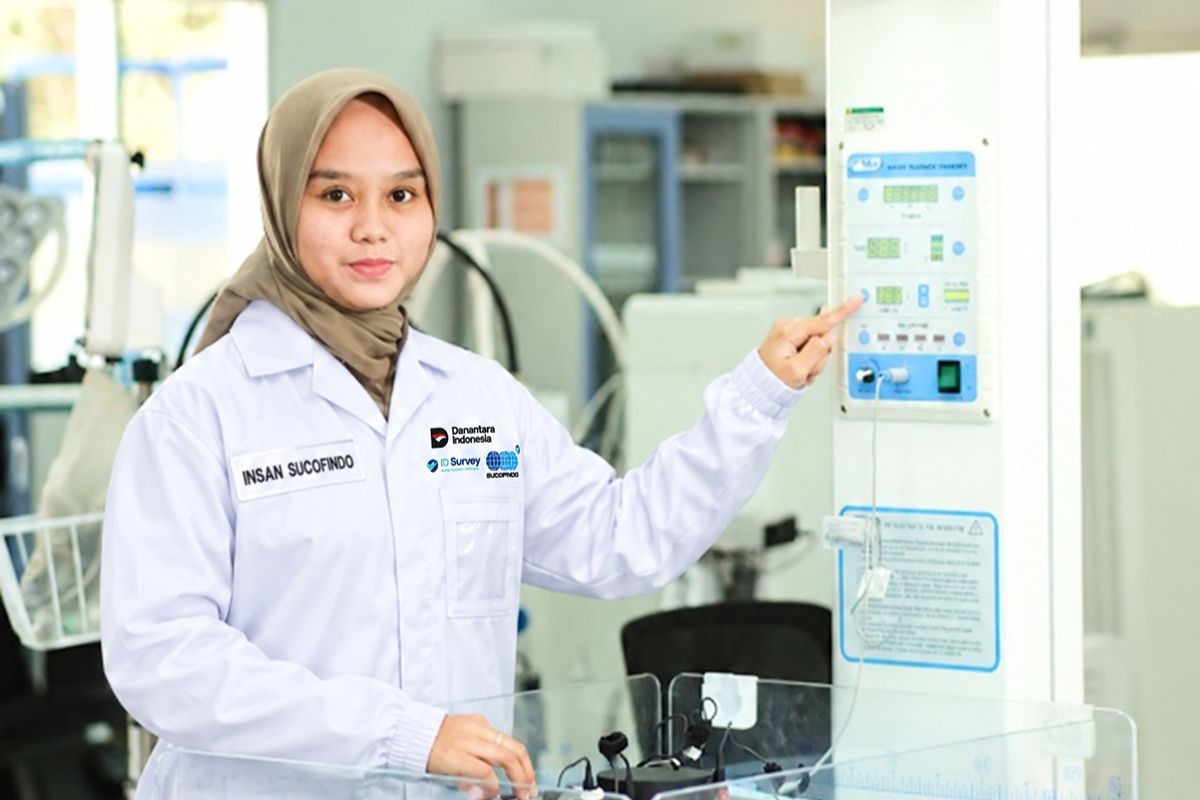
SUCOFINDO, Indonesia’s first inspection company, supports your equipment reliability through our medical device calibration services. We operate a calibration laboratory accredited by KAN-BSN, Indonesia’s national accreditation body, under certificate LK-023-IDN, with capabilities covering hospital and clinical equipment such as ECG machines, blood pressure monitors, incubators, ventilators, and suction pumps.
Our medical device calibration service helps you verify measurement accuracy against reference standards. By incorporating calibration into equipment maintenance, we help you better manage measurement reliability and support patient safety.
Key Takeaway
Understanding why medical device calibration matters in healthcare is essential to protecting patient safety and supporting critical clinical decisions. Regular calibration helps you detect measurement errors before they compromise treatment accuracy. By prioritizing calibration, hospitals and care facilities can better support patient care and responsible equipment management.
At SUCOFINDO, our KAN-BSN-accredited laboratory provides medical device calibration to help you verify equipment accuracy against recognized reference standards. Contact us to learn more about medical device calibration for your healthcare facility.