What factors should you assess before developing waste-to-energy facilities in Indonesia?
Feedstock composition and moisture content
Economic viability and tipping fees
Technology selection and readiness
Regulatory, political, and permitting frameworks
Social acceptance and environmental impact
Overview
Before building a waste-to-energy facility in Indonesia, you need to assess five areas: feedstock, economics, technology, regulation and community impact.
Moisture content and waste supply reliability affect energy output and plant utilization, so measured data on your waste is a sensible first step.
SUCOFINDO provides Testing & Analysis and Inspection & Audit services to help you evaluate project conditions and verify relevant technical and environmental requirements.
Introduction
Indonesia’s growing volume of municipal waste presents an opportunity to reduce landfill use and recover value from discarded materials. Waste-to-energy facilities offer a way to pursue both goals by converting suitable waste into usable energy. However, their success depends on whether local waste conditions can support efficient and reliable operations.
Before investing in a facility, you need to understand the factors to assess before developing a waste-to-energy facility in Indonesia. A thorough assessment can help identify potential obstacles before significant resources are committed to construction. With SUCOFINDO’s Testing & Analysis and Inspection & Audit services, you can obtain technical insights to support project planning.
Feedstock Composition and Moisture Content
Wetter waste carries less recoverable energy, so what enters the plant largely sets a facility’s output. Indonesia’s municipal solid waste often contains substantial organic waste, with moisture levels reaching around 60% to 70% in some waste streams. This moisture content reduces the energy available for combustion because some heat must evaporate water before the waste can burn efficiently.
Mixed waste may require mechanical sorting, drying, or blending with higher-energy materials to achieve the calorific value (heat content) required by the selected technology. You must also secure a reliable daily waste supply from local governments, since inconsistent deliveries can reduce plant utilization and undermine operational viability.
Economic Viability and Tipping Fees
Electricity sales alone may not generate enough revenue to make a waste-to-energy project financially viable, so tipping fees may help fill the gap. A project’s financial model must account for construction costs, ongoing operations, and residual management. You need realistic projections of energy revenue and operating expenses to determine whether the facility can recover its investment.
When electricity revenue cannot cover all project costs, tipping fees can provide another source of income. These payments compensate the operator for accepting and processing municipal waste. You should assess the municipality’s ability to sustain these payments, especially if budget constraints or fluctuations in energy revenue put cash flow under pressure.
Technology Selection and Readiness
The choice of waste-to-energy technology should reflect the type of waste available at the proposed site. Incineration can process combustible waste, but high moisture content can reduce its energy efficiency. Anaerobic digestion may suit organic waste better because it converts biodegradable material into biogas. Matching the technology to local waste conditions helps establish a reliable basis for energy recovery.
You should also compare the waste’s characteristics with the proposed technology’s operating requirements. If the available waste doesn’t meet those requirements, pre-treatment may be necessary, which could increase operating costs. A proper assessment can help determine whether the facility can process local waste efficiently without making operations financially impractical.
Regulatory, Political, and Permitting Frameworks
Indonesia’s regulatory framework determines which requirements you must meet before a waste-to-energy facility can proceed. Law No. 18 of 2008 establishes the broader legal basis for waste management, while Presidential Regulation No. 109 of 2025 also addresses processing urban waste into renewable energy using environmentally sound technology. You must confirm how these regulations apply to your proposed facility before moving forward with project planning.
Obtaining the necessary approvals depends on meeting the requirements that apply to the project and its location. You must consult the relevant authorities to clarify the environmental approval process and the licenses needed before construction. Addressing these obligations early can help reduce the risk of regulatory delays that disrupt the project schedule.
Social Acceptance and Environmental Impact
Community acceptance can influence whether a waste-to-energy facility can operate successfully over the long term. Residents may oppose a proposed site if they fear emissions could harm their health or the surrounding environment. You should assess these concerns against the facility’s expected environmental impacts and explain how the project will control its risks.
A new facility can also affect people who depend on existing waste disposal sites for their livelihoods. You must assess how the project could change workers’ access to waste and involve affected communities in planning. Addressing livelihood concerns early can reduce social conflict and support a more equitable transition to a new waste management system.
Tips For Conducting a Proper Assessment of Waste-to-Energy Facilities
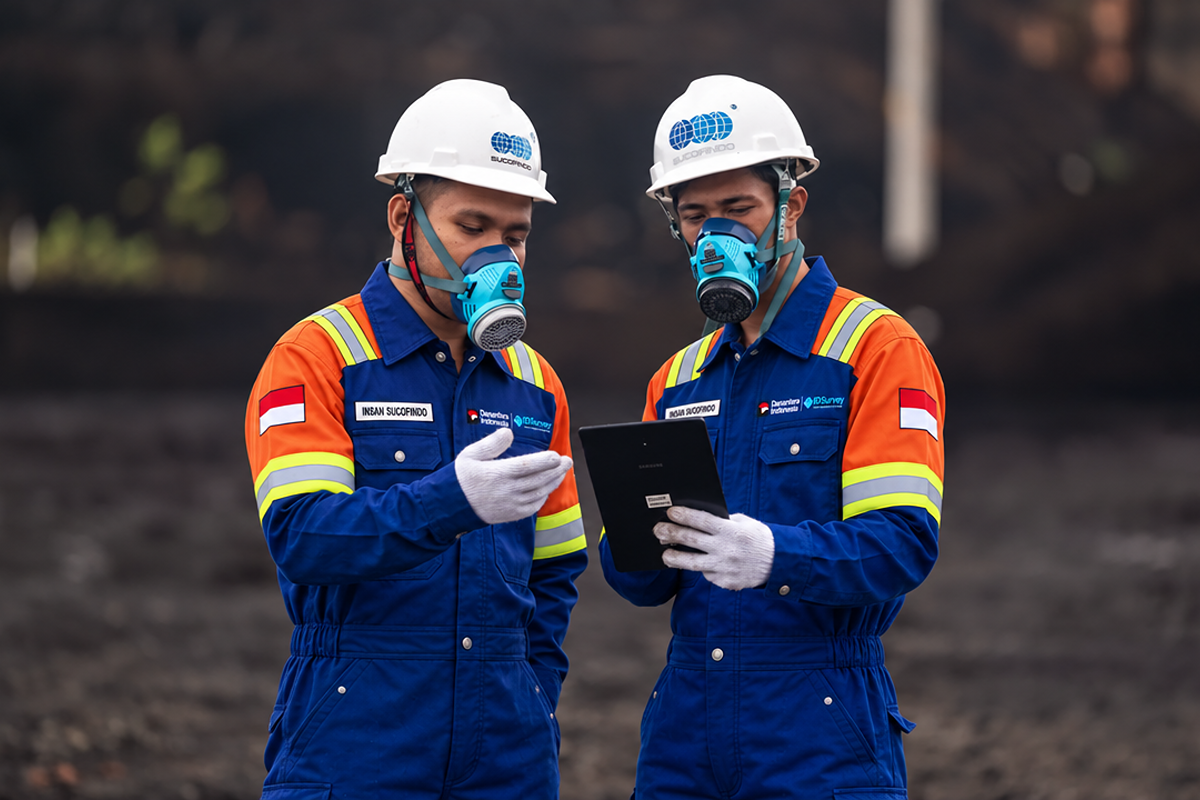
A thorough assessment helps you identify project risks before committing significant resources to a waste-to-energy facility. These practical steps can support better planning and more informed investment decisions:
Commission a Professional Waste Composition Assessment
Verify Daily Waste Supply with Local Authorities
Verify Permits and Regulatory Requirements with Relevant Authorities
Conduct Community Consultations and Environmental Impact Assessments
Engage Qualified, Accredited Assessment Providers
Conduct Proper Facility Assessments with SUCOFINDO
Reliable assessment results give you a stronger basis for deciding whether a waste-to-energy project is feasible. SUCOFINDO, Indonesia’s first inspection company, supports this process through our Testing & Analysis and Inspection & Audit services that help you evaluate site conditions and verify relevant technical requirements. These findings can inform project planning before major construction investments are made.
Our services can also help you assess potential impacts and support alignment with applicable environmental requirements. With credible assessment results from us, you can identify concerns early and make better-informed decisions about your project’s readiness.
Key Takeaway
The factors to assess before developing a waste-to-energy facility in Indonesia all help you judge whether a project is technically feasible and environmentally compliant. Evaluating these factors before construction helps you identify risks early and determine whether a proposed facility can operate sustainably.
Working with a qualified assessment provider can give you a stronger basis for critical project decisions. At SUCOFINDO, we offer Testing & Analysis and Inspection & Audit services to help you assess project conditions and address relevant requirements. Contact us on WhatsApp today to learn more about our assessment services for your waste-to-energy project.