

Overview
Pre-shipment inspection may cover product quality, quantity, packaging, labeling, identification, and shipping documents based on the inspection assignment and applicable requirements.
Exporters should arrange PSI when goods are sufficiently complete and available for inspection, with timing guided by contracts, buyer instructions, regulations, shipment schedules, and product requirements.
SUCOFINDO provides PSI and industrial product inspection services that document goods against agreed specifications and shipment requirements before dispatch.
Introduction
A shipment that arrives with incorrect specifications, missing items, or damaged packaging can create immediate issues between exporters and buyers. Pre-shipment inspection (PSI) provides a checkpoint before dispatch by examining goods against agreed specifications, purchase orders, and applicable buyer or contractual requirements.
PSI may be arranged because of importing-country requirements, export or import regulations, purchase contracts, buyer instructions, or other agreed inspection conditions. It can also be used as a voluntary risk-management measure.
To help you better understand what does pre-shipment inspection cover, this article will examine the main areas that may be checked and when exporters should arrange an inspection.
What Does Pre-Shipment Inspection Check?
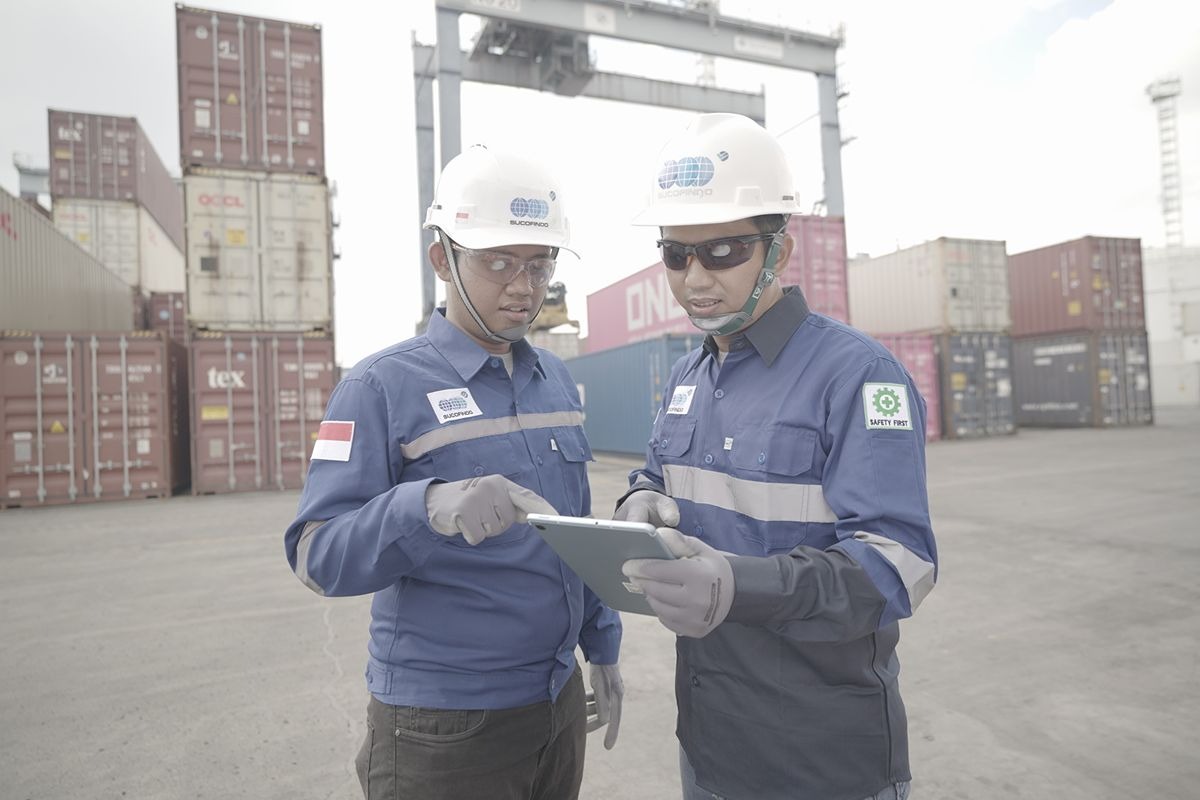
The scope of a PSI depends on the product, transaction, inspection assignment, and applicable requirements. It may cover product quality and specifications, quantity and order details, packaging and labeling, product identification, and relevant shipment documentation. Depending on the assignment, the inspection may also involve reviewing declared price or value and Harmonized System (HS) classification.
Product Quality and Specifications
Inspectors may compare goods against approved specifications, technical drawings, samples, purchase orders, product standards, or other agreed reference criteria. Depending on the product and assignment, checks may involve visual examination, measurements, functional checks, sampling, or laboratory testing.
This allows exporters to identify discrepancies between the goods available for shipment and the requirements established for the transaction before dispatch.
Quantity and Order Compliance
PSI may verify whether the quantity and product details correspond with the purchase order and agreed shipment requirements. Quantity checks can involve counting, weighing, measuring, tallying packages, or reconciling available goods with order and shipping information, depending on the commodity and assignment.
Inspectors may also check product models, grades, varieties, sizes, or other identifying details to determine whether the goods correspond with the order.
Packaging and Labeling
Where included in the assignment, inspectors may review packaging condition, shipping marks, labels, identification codes, handling instructions, and other packaging requirements against the purchase order, agreed specifications, or applicable regulations.
These checks can help identify damaged packaging, incorrect markings, missing information, or other discrepancies that may need to be addressed before dispatch.
Shipping Documents and Product Identification
Depending on the inspection scope, documentation checks may include the purchase order, commercial invoice, packing list, product specifications, test certificates, product identifiers, shipping marks, and other supporting records. Certificates of origin, permits, or draft shipping documents may also be relevant where they form part of the agreed assignment.
Comparing documentation with the physical goods helps establish whether product identities, quantities, and other relevant shipment details are consistent within the inspection scope.
When Should Exporters Arrange Pre-Shipment Inspection?
PSI is generally arranged when goods are finished or substantially complete, sufficiently available for examination, and accessible for any required sampling, measurement, or testing. This allows inspectors to assess the goods that are intended for dispatch rather than relying on incomplete production information.
There is no single completion percentage that applies to every PSI assignment. Timing may be specified by the purchase contract, letter of credit, buyer's inspection instructions, importing-country requirement, or other applicable condition. Product characteristics, shipment schedules, and the agreed inspection scope can also affect when the inspection should take place.
Confirming the inspection requirement and timing early can help exporters coordinate production completion, inspection activities, and dispatch schedules.
How Pre-Shipment Inspection Helps Reduce Export Risks

Identifying discrepancies before dispatch gives exporters an opportunity to address quality, quantity, packaging, labeling, or documentation issues while the goods remain at the facility. This can help reduce the potential for rework, shipment delays, quality disputes, or disagreements about whether goods conformed to the agreed requirements at the time of inspection.
PSI documents the condition and characteristics of the goods within the agreed inspection scope at the time of inspection. It does not guarantee that the goods will remain unchanged during subsequent handling or transportation, or prevent issues that arise after inspection.
PSI also does not replace the exporter's responsibility for product conformity, customs requirements, regulatory approvals, or correct shipping documentation unless those matters are expressly included in the inspection assignment.
Pre-Shipment Inspection Services With SUCOFINDO
At SUCOFINDO, our Pre-Shipment Inspection service can support exporters and other trade participants, with the inspection scope defined according to the product, transaction, buyer requirements, contractual terms, and applicable regulations. Our published PSI scope may include quantity, quality, price, Harmonized System (HS) classification, and compliance with applicable requirements, depending on the assignment.
Established in 1956 as Indonesia's first inspection company, we bring decades of Testing, Inspection, and Certification (TIC) experience to inspection activities across industries. Our broader Industrial Product Inspection service can determine product quantity and quality before shipment or upon receipt through calculation, visual inspection, and laboratory testing, depending on the product and assignment.
Our inspection findings provide documented information about the goods within the agreed scope and at the time of inspection, giving exporters a basis for reviewing conformity with buyer specifications and applicable shipment requirements.
Key Takeaway
By understanding what does pre-shipment inspection cover, you can identify the quality, quantity, packaging, labeling, and documentation checks that may be relevant to your shipment before dispatch.
For pre-shipment inspection requirements, contact SUCOFINDO through WhatsApp at https://wa.me/628118910222.