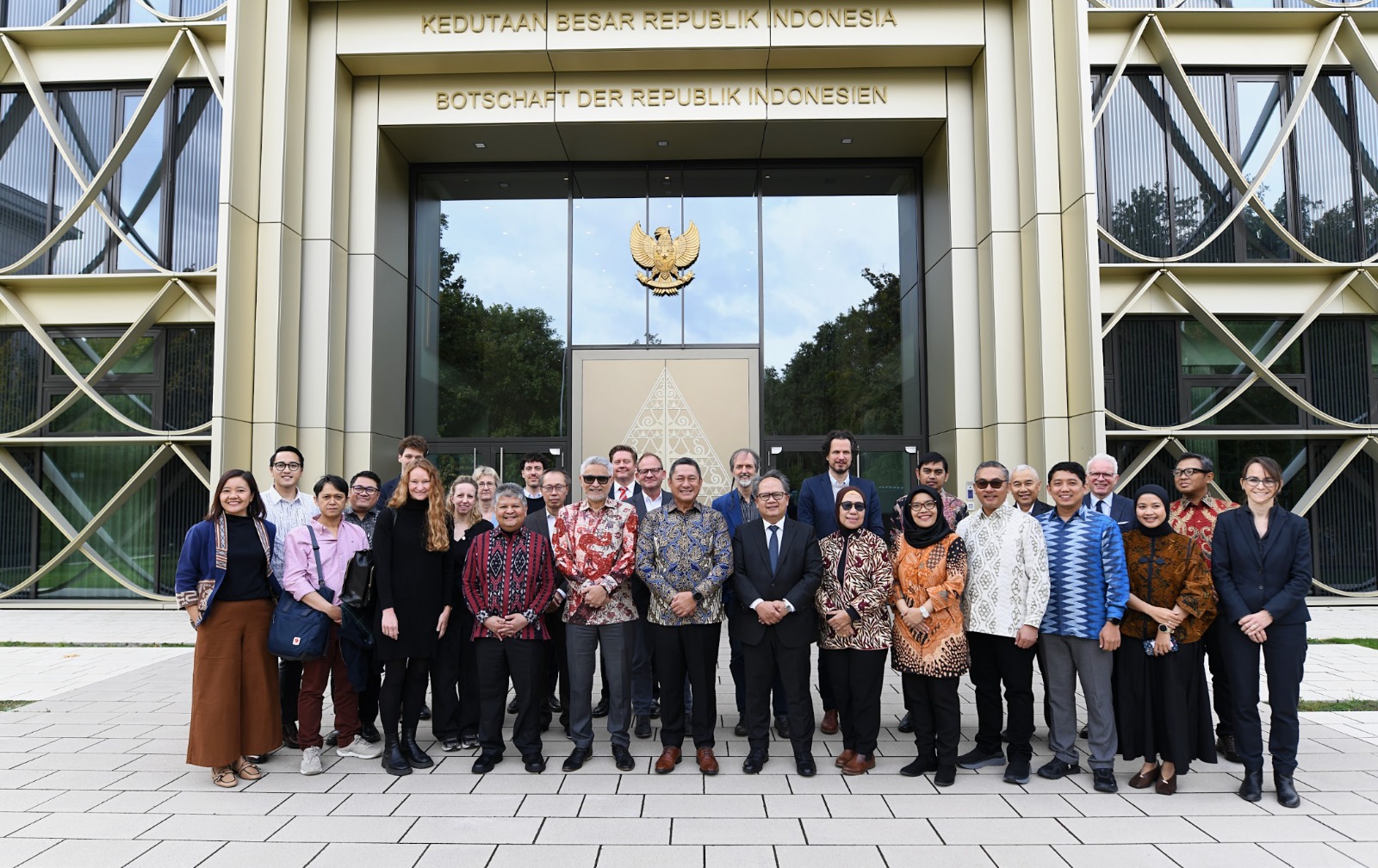
Berlin (October 9) – Indonesia continues to strengthen the governance of sustainable palm oil while enhancing its preparedness to address the challenges of the global market. One of these efforts is being undertaken through the development of the Indonesian Sustainable Palm Oil Information System (SI-ISPO) concept and the alignment of the proposed data framework with the implementation requirements of the European Union Deforestation Regulation (EUDR).
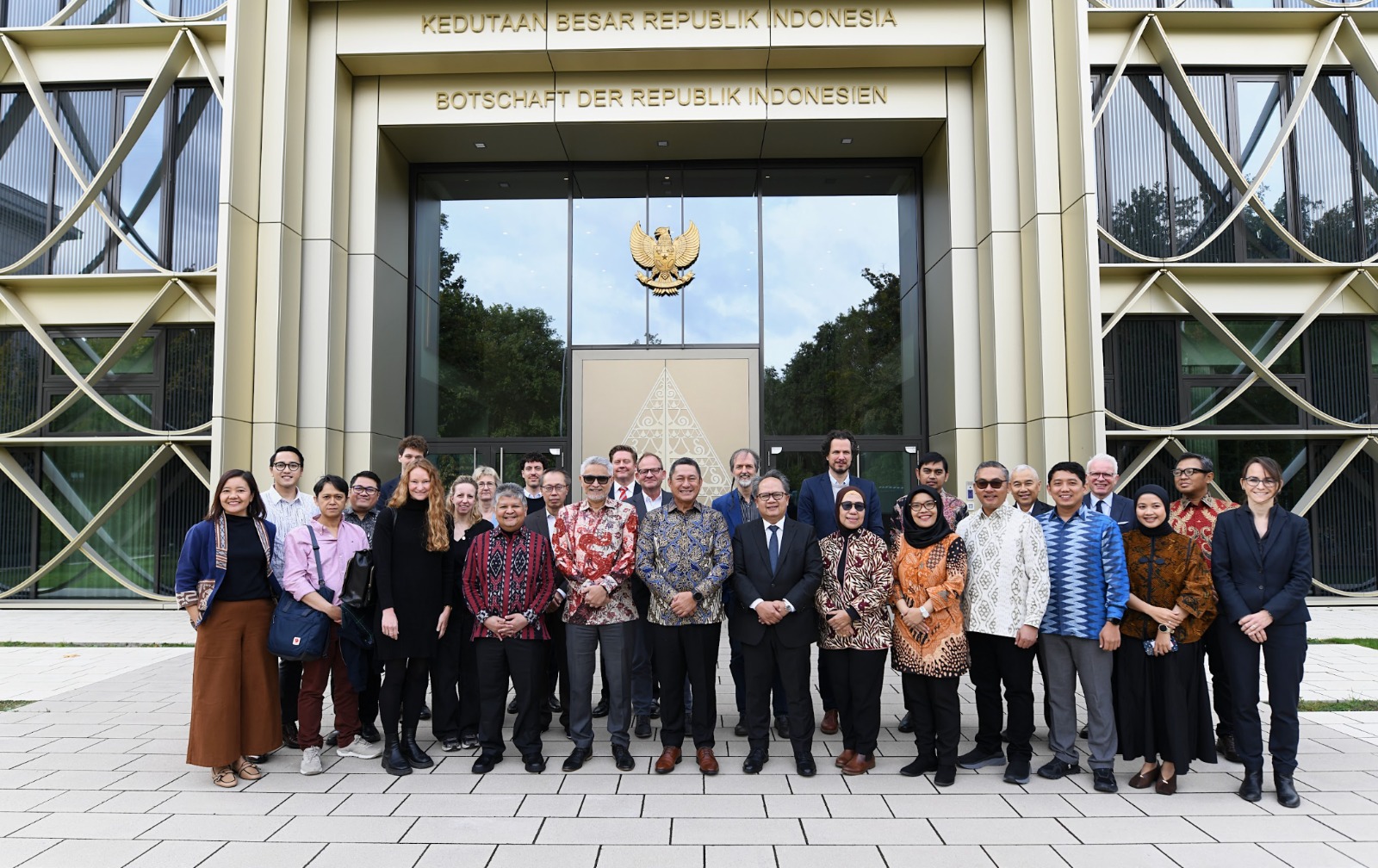
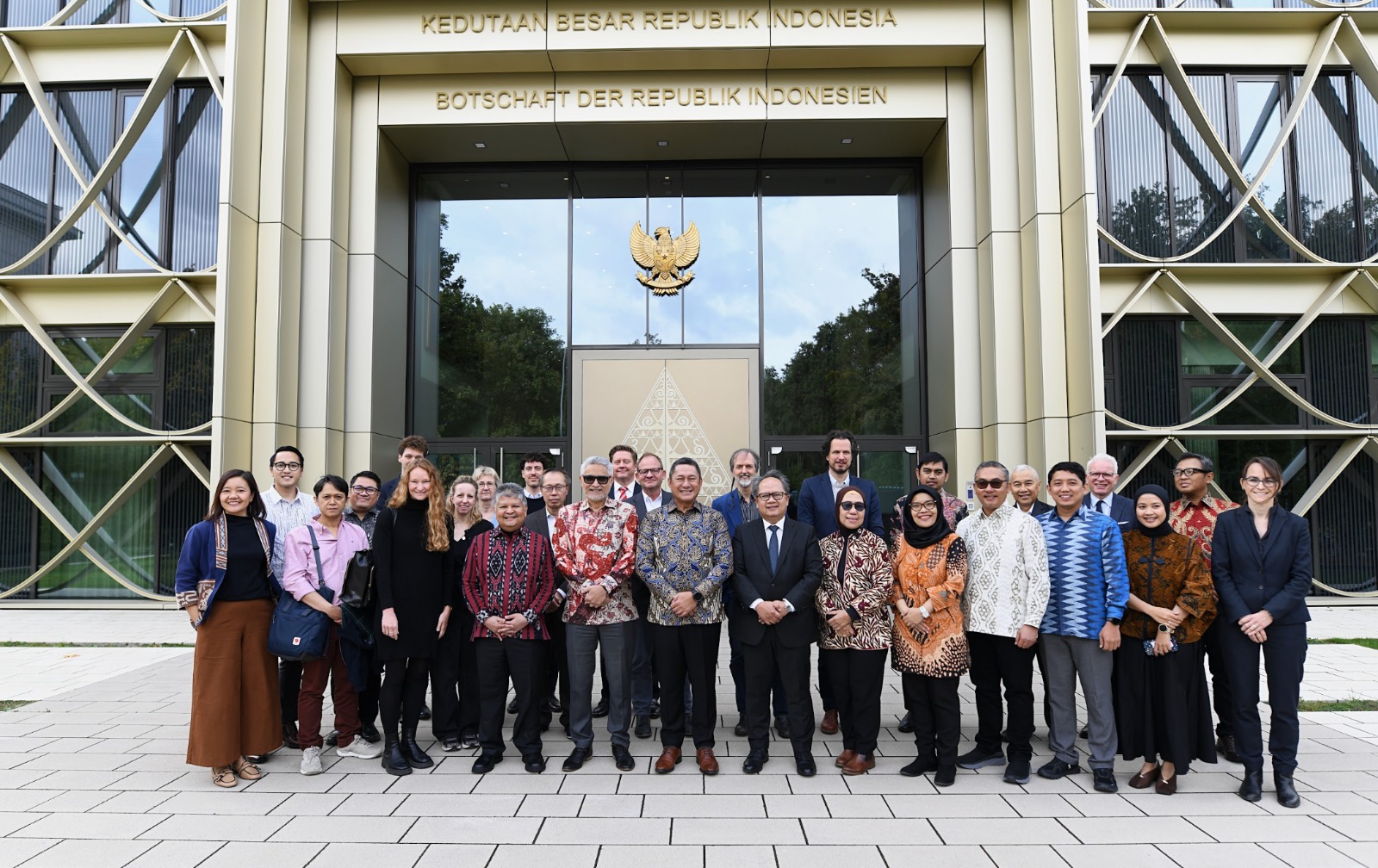
Previously, the Indonesian delegation presented the latest developments and held discussions with relevant authorities as part of the series of agendas under the Forest, Agriculture and Commodity Trade (FACT) and the Amsterdam Declaration Partnership (ADP). These discussions were subsequently continued through a meeting at the Embassy of the Republic of Indonesia in Berlin, focusing on the development of ISPO and SI-ISPO as part of efforts to strengthen governance and support Indonesia's readiness to meet global market requirements.
Acting Deputy for Coordination of Industry, Employment, and Tourism at the Coordinating Ministry for Economic Affairs of the Republic of Indonesia, Dida Gardera, stated that palm oil plays a strategic role in supporting logistics, digital connectivity, trade services, and compliance with global supply chain requirements. In line with this role, the Indonesian Sustainable Palm Oil (ISPO) certification system has continued to evolve since mandatory certification was first implemented for palm oil companies in 2011.
Dida Gardera explained that various improvements have continued to be introduced to strengthen the governance and credibility of Indonesia's palm oil industry. One of these is Presidential Regulation No. 16 of 2025, which introduced three major changes: expanding the scope of certification from plantations to downstream industries and palm oil-based bioenergy businesses; strengthening financial and technical support for smallholder farmers; and enhancing supply chain traceability to ensure that products originate from legally managed land.
In his presentation, Dida Gardera explained that the government also provides support to smallholder farmers to help them comply with sustainability standards and maintain their participation in the palm oil supply chain. This support includes certification financing, technical assistance, Internal Control System (ICS) training, and supervision throughout the five-year certification cycle.
"This support aims to help smallholder farmers meet sustainability standards while maintaining their participation in the supply chain," Dida Gardera explained.
"On the other hand, the crude palm oil (CPO) sector plays an important role in generating foreign exchange for the country. Therefore, efforts to maintain the sustainability of this sector must continue to be strengthened, including through the development of the ISPO Information System (SI-ISPO) as a centralized digital platform. This system is designed to integrate various essential data in real time, as stipulated in Coordinating Minister for Economic Affairs Regulation No. 14 of 2025," Dida Gardera stated.
In the context of global market access, Dida Gardera emphasized that Indonesia continues to strengthen its national compliance system to provide transparency, a sound legal foundation, and digitally verifiable evidence. These efforts are expected to increase international market confidence in Indonesian palm oil products while strengthening Indonesia's position in the global sustainable supply chain.
"Indonesia is fully committed to supplying palm oil products that are economically viable, environmentally responsible, and supported by verifiable digital transparency," Dida Gardera affirmed.
On the same occasion, President Director of PT SUCOFINDO (PERSERO), Sandry Pasambuna, stated that the company's participation in this agenda forms part of its contribution to strengthening Indonesia's sustainable palm oil ecosystem, particularly through the utilization of data, traceability, verification, and assurance services in accordance with the company's competencies and service scope.
"SI-ISPO serves as an important enabler of digital traceability, allowing data and evidence from the certification process to be managed and connected with supply chain requirements. With integrated and traceable data readily available, businesses have a stronger basis for demonstrating the credibility of their supply chains," Sandry Pasambuna explained.
To support this ecosystem, PT SUCOFINDO (PERSERO) has the capabilities to provide verification and assurance services for data and evidence that form part of the sustainability and traceability ecosystem.
"Going forward, SUCOFINDO will continue to provide assurance services across various points of supply chain activities, particularly in the palm oil commodity sector, as an independent assurance partner in line with its role in Testing, Inspection, and Certification (TIC). Among other things, SUCOFINDO can help ensure that information and evidence throughout the supply chain meet the required levels of reliability and accountability," Sandry Pasambuna stated.
Furthermore, Sandry Pasambuna added, "We hope that through SUCOFINDO's role, we can deliver added value to Indonesian businesses while supporting the enhancement of national commodity competitiveness in meeting the requirements of international markets," Sandry Pasambuna concluded.