Overview
TKDN certification helps businesses determine and demonstrate the domestic content of their goods or services when applicable Indonesian procurement requirements make it relevant.
The article covers who may need TKDN certification, how it can affect government procurement, which goods and services can be assessed, and what documentation and verification the process involves.
SUCOFINDO provides independent TKDN and BMP verification for goods, industrial services, and combined offerings, helping businesses prepare their domestic-content information for certification.
Introduction
When businesses participate in Indonesian government procurement, demonstrating product quality and technical qualifications are only part of the preparation.
Domestic content can also become an important consideration, particularly when procurement requirements favor qualifying domestic products. TKDN, or Tingkat Komponen Dalam Negeri, provides a way to measure the domestic content of goods and services in Indonesia.
But the requirements do not apply uniformly across every business or offering. Understanding TKDN certification, who needs it, and why can help you determine whether it is relevant to your business and what needs to be prepared before verification.
Who Needs TKDN Certification?
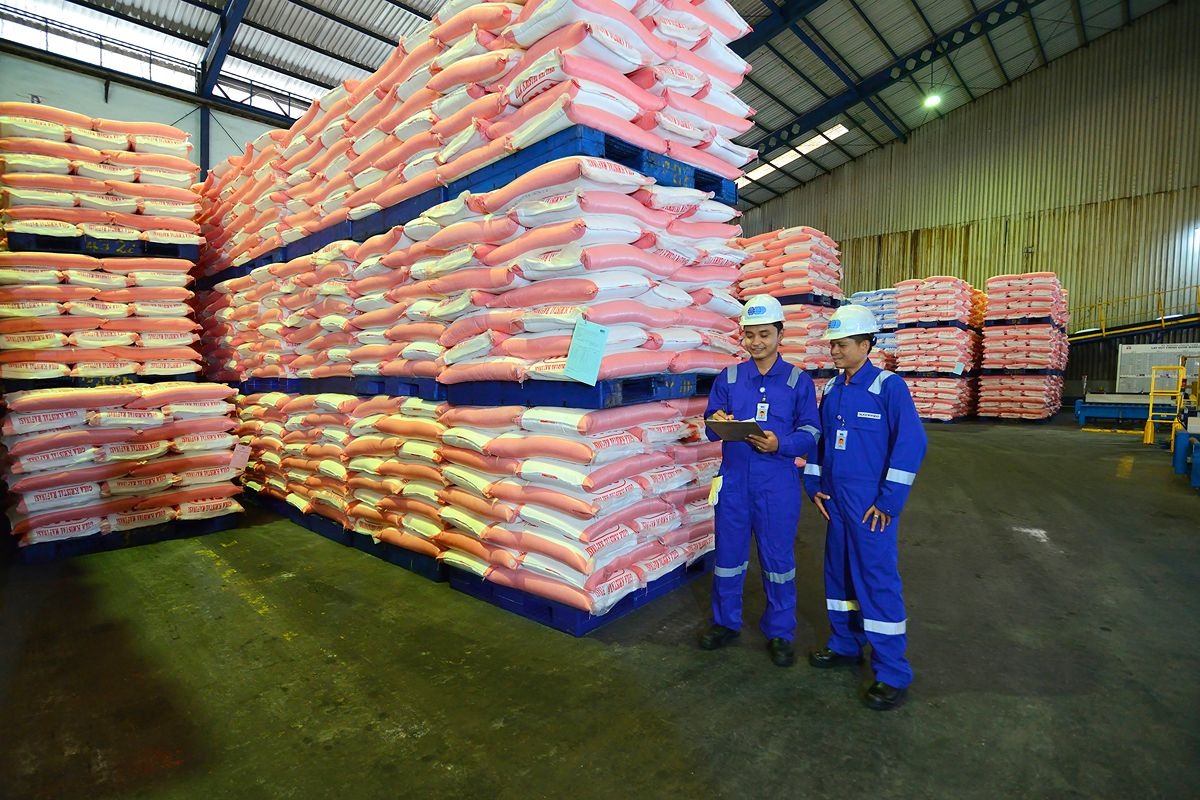
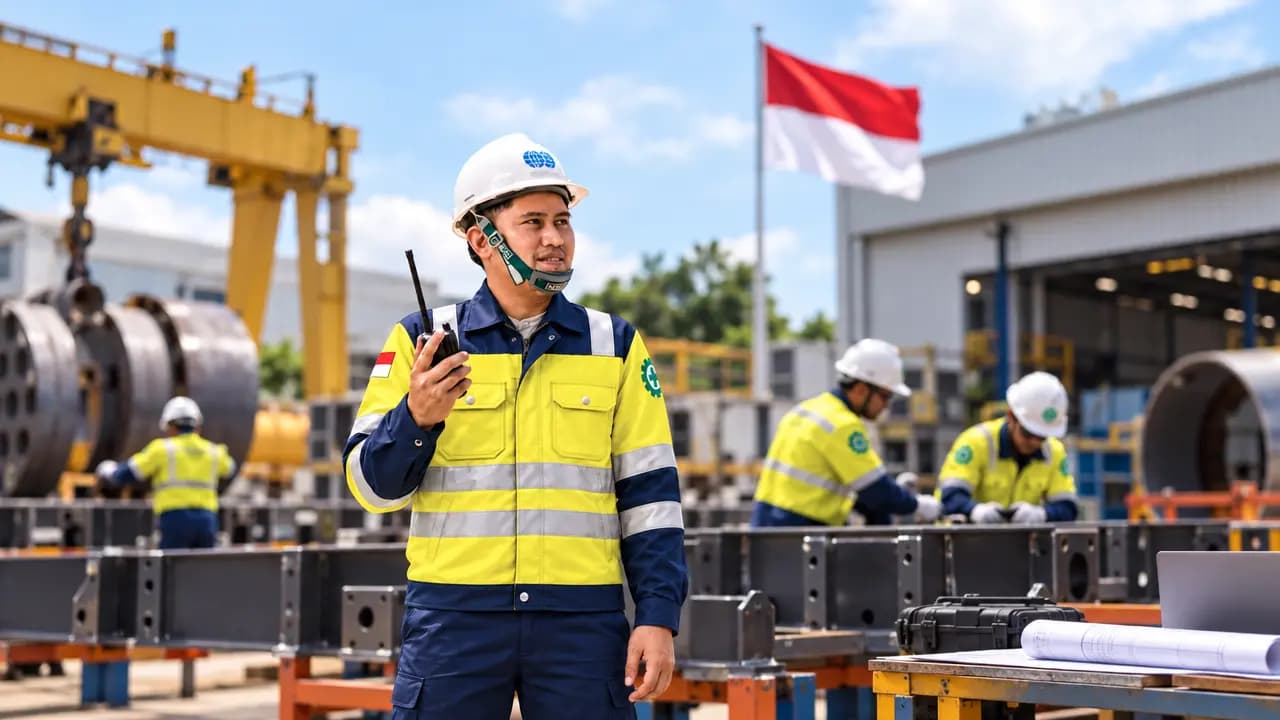
The need for TKDN certification usually starts with the role a business plays in supplying a product or service. Manufacturers may need to establish the domestic content of specific products, while eligible industrial service providers may need to demonstrate the domestic components associated with their services. The current framework covers goods, eligible industrial services, and combinations of goods and services.
For your compliance team, this means the first question is not simply whether your business is a manufacturer or supplier, but whether your product, service, classification, and intended use fall within an applicable TKDN requirement.
Eligible small industries have a separate route for qualifying goods through TKDN self-declaration. This requires the business to be validated as an eligible small industry through SIINas and meet the applicable requirements. The self-declaration mechanism therefore should not be treated as a general alternative for every small business or service provider.
Why TKDN Matters in Indonesian Government Procurement
For suppliers pursuing government projects, a TKDN value can affect how a domestic product is treated when applicable domestic-product preferences are used in procurement. TKDN and Bobot Manfaat Perusahaan (BMP) may be considered within the relevant procurement framework, with the precise treatment depending on the procurement rules, product or service category, and tender requirements.
This is why TKDN is worth considering before a tender is underway. A verified TKDN or BMP value may support a product's consideration where those values form part of the applicable criteria, but it does not guarantee selection or a contract award. Technical specifications, qualification requirements, pricing, competition, and other procurement conditions still influence the outcome.
Which Products and Services Can Be Verified for TKDN?
TKDN extends beyond conventional manufactured products. Under the current framework, eligible goods, industrial services, and combinations of goods and services can be assessed, with the calculation adapted to the category being reviewed. For industrial services, eligibility depends on the applicable industrial-service classification and KBLI scope.
What counts as domestic content also changes with the offering. For goods, the calculation can consider direct materials, direct labor, and factory overhead. For eligible industrial services, applicable domestic costs may include labor, work tools or facilities, and general services. For a combined goods-and-services offering, the calculation uses the applicable weighted relationship between the domestic content of each and their respective acquisition values.
What Does TKDN Verification Involve?
A TKDN percentage is supported by the records behind the calculation. For your team, the practical task is to establish how domestic content is being calculated and whether the information can be supported by appropriate business records.
Reviewing Domestic Content
The review looks at the components that contribute to the reported TKDN value. For goods, these can include domestic materials, direct labor, and factory overhead. For eligible industrial services, the calculation can consider applicable labor, work tools or facilities, and general services. The relevant factors depend on the category and methodology used for the assessment.
Preparing Supporting Documents
The evidence behind the calculation can come from different parts of your organization. Depending on the application, this may include company and KBLI information, supplier and purchasing records, bills of materials, payroll or labor records, production or project documents, cost information, and records relating to equipment or facilities. The exact documentation depends on the product or service and the calculation method that applies.
Verifying and Certifying TKDN
Once the calculation and supporting evidence are ready, a Lembaga Verifikasi Independen (LVI) conducts the applicable verification. The verification results then feed into the Ministry of Industry's TKDN certification process through the applicable system and procedure. Keeping these roles distinct is important: the LVI performs the independent verification, while certification follows the Ministry of Industry framework.
Understanding TKDN Verification and Certification With SUCOFINDO
For businesses that need an independent party to review their domestic-content calculation, SUCOFINDO provides TKDN inspection and verification for goods, industrial services, and combinations of goods and services. Our published scope also includes Bobot Manfaat Perusahaan (BMP) verification and Industrial Capability Verification (VKI).
Established in 1956 as Indonesia's first inspection company, we bring longstanding Testing, Inspection, and Certification (TIC) experience to TKDN verification. Depending on the application, our work focuses on reviewing the information and evidence used to establish the reported TKDN or BMP value within the applicable framework. This gives your team a clearer basis for addressing the verification requirements relevant to the product, service, or combination being assessed.
Key Takeaway
As you plan upcoming government procurement opportunities, consider TKDN requirements while you still have time to assess your products or services and organize the necessary records. Keeping TKDN certification, who needs it, and why on the compliance agenda early can help you identify the appropriate route and address verification requirements before they become part of a time-sensitive procurement process.
For TKDN and BMP verification requirements, contact SUCOFINDO through WhatsApp at https://wa.me/628118910222.