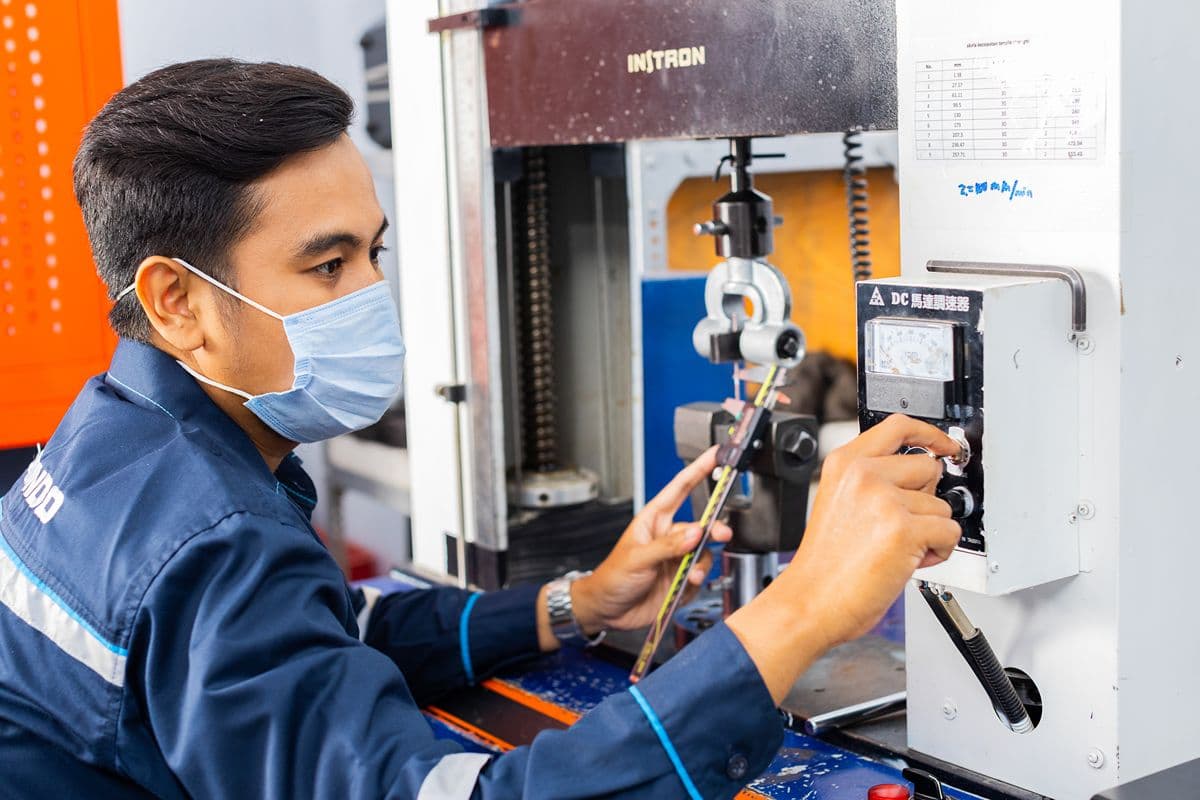
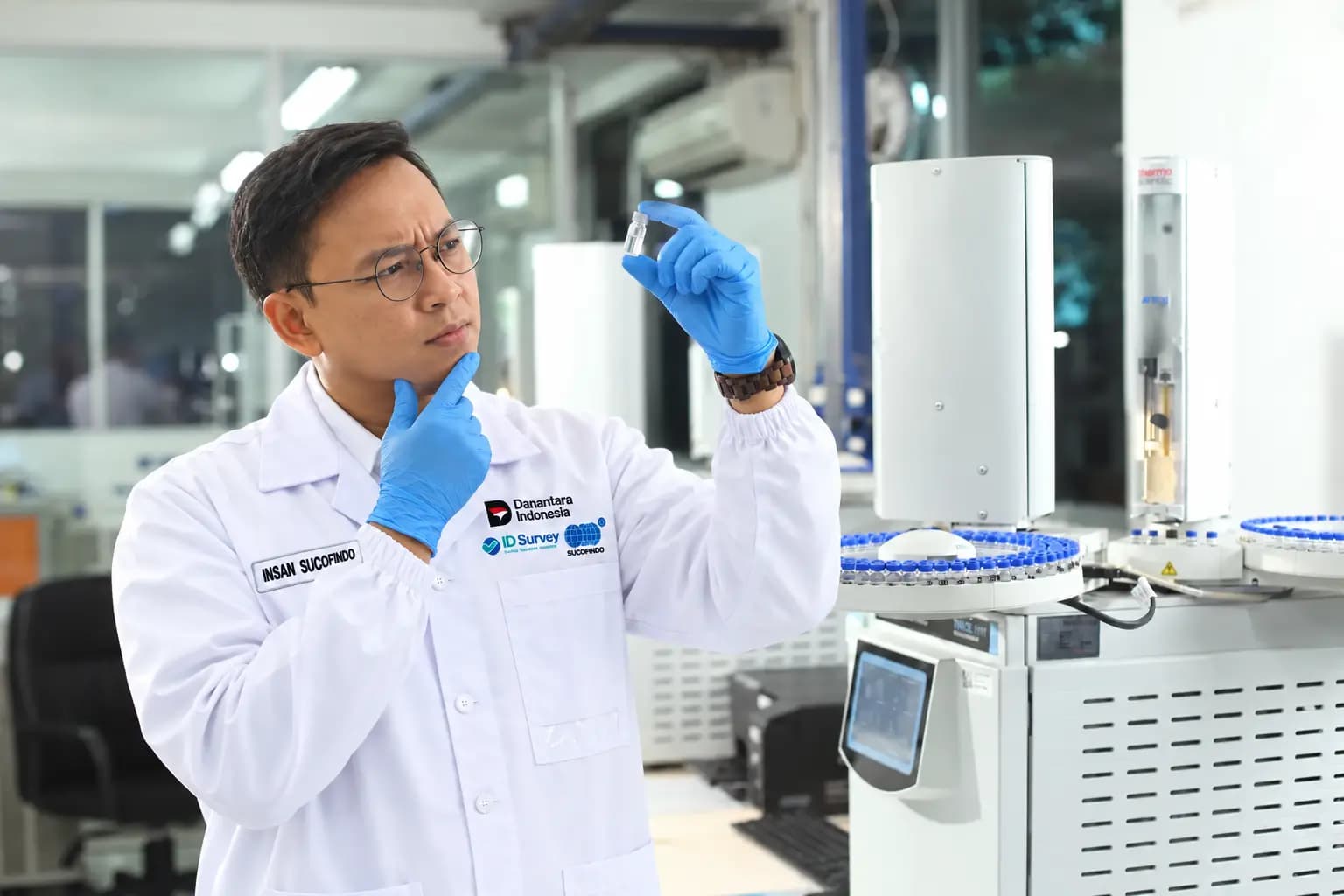
Overview
Medical device testing is most effective when it forms part of the broader quality process rather than being treated only as a final pre-release check.
Testing during design, development, production, and final verification can help identify issues at different stages and provide documented evidence for quality and conformity assessment.
Understanding when and why testing is performed can help manufacturers build a more consistent approach to medical device quality.
Introduction
Medical device manufacturers need to maintain consistent quality as products move from design and development into production and eventual release. Issues involving materials, design, performance, or manufacturing processes can become more difficult to address when they are identified only after production is substantially complete.
Testing provides information about whether a device, component, or process meets specified requirements. It can support patient safety, device performance, and regulatory requirements by providing objective evidence about relevant product characteristics.
Understanding why medical device testing cannot be treated as a final step can help you see how testing contributes throughout the quality process. This article examines the role of testing during development, production, and final verification, as well as its relationship with medical device quality management.
Why Medical Device Testing Must Begin Early
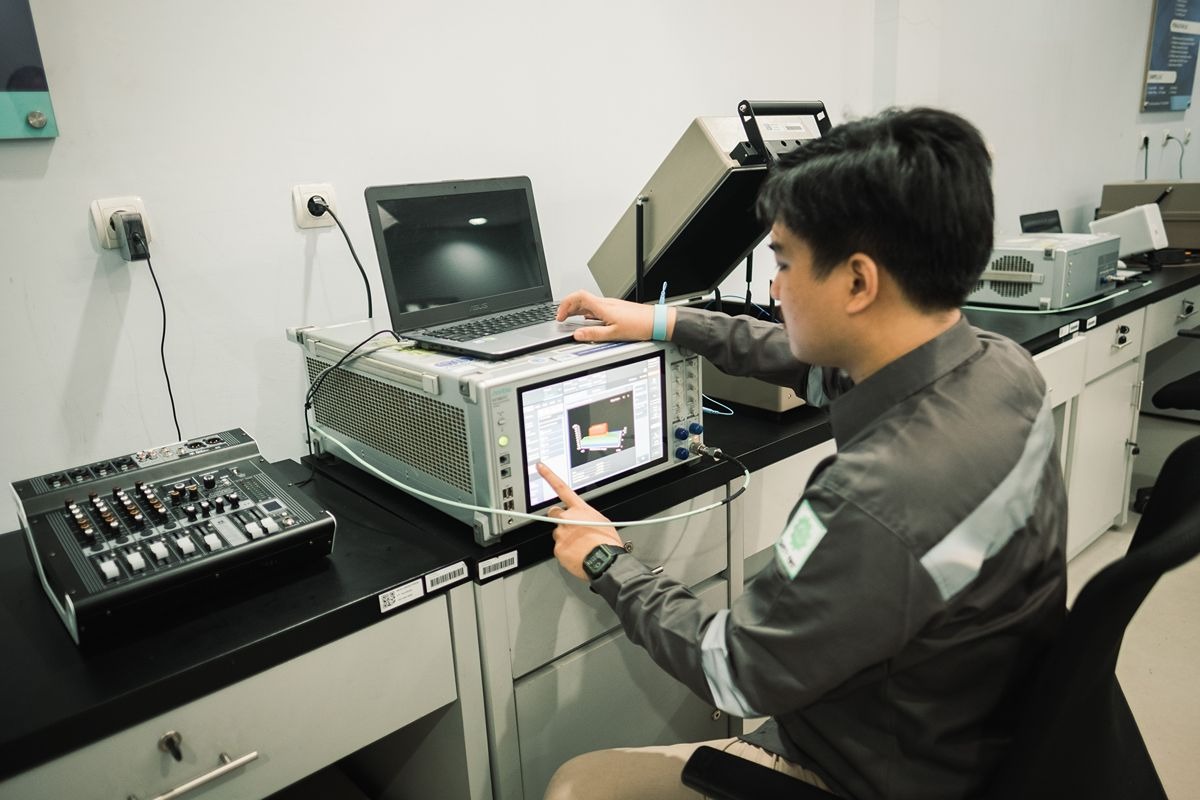
Testing during design and development can help identify material, specification, and performance issues before they are carried into production. Addressing these issues earlier may reduce the need for later changes to materials, processes, tooling, or production controls.
Early testing can also establish documented evidence that supports subsequent development decisions. Rather than relying on final-product testing to reveal every issue, manufacturers can use earlier test results to inform design adjustments and evaluate whether requirements are being met as development progresses.
What Can Go Wrong When Testing Is Delayed?
When testing is postponed until late in the production process, issues may be discovered after greater amounts of time, materials, and production resources have already been committed. This can lead to additional investigation, rework, production adjustments, or delays in planned release activities.
Late findings can also affect the consistency of production records and compliance documentation. Where applicable safety or performance requirements have not been adequately verified, manufacturers may need additional evidence or corrective action before a device can proceed through the relevant release or regulatory process.
How Testing Supports Medical Device Quality Throughout Production
Different testing activities contribute to quality at different stages of the medical device lifecycle. Testing during development helps evaluate whether the design meets intended requirements, while production-stage controls help identify deviations and final testing provides another check before release.
Design and Development Testing
Design and development testing evaluates materials, design specifications, and performance against intended requirements. Depending on the device, this may include evaluating functional performance, material characteristics, durability, or other parameters relevant to the intended use.
Identifying issues during development gives manufacturers an opportunity to review the design or specifications before those issues become embedded in production processes.
In-Process Quality Testing
Testing and inspection during production help manufacturers monitor whether processes and outputs remain within specified requirements. These activities can identify manufacturing deviations, material inconsistencies, or other changes that may affect product quality.
Maintaining appropriate in-process controls also supports consistency between production batches. Documented results can provide a record of how production controls were applied and where corrective action may have been needed.
Final Product Testing
Final product testing verifies applicable product requirements before release, but it does not replace testing and quality controls performed earlier in the process. At this stage, manufacturers can confirm relevant characteristics of the finished device against the applicable specifications or test requirements.
Using final testing as one part of a broader quality process provides a more complete approach than relying on a single end-of-line assessment.
Why Consistent Testing Matters for Medical Device Compliance

Consistent testing produces documented results that can contribute to traceability, quality records, and evidence of conformity with applicable requirements. Maintaining these records can help manufacturers demonstrate how products were evaluated and how identified deviations were addressed.
It is also important to distinguish product testing from ISO 13485 certification. ISO 13485 specifies requirements for a quality management system specific to organizations involved in medical devices; it is not a product-testing standard. Product testing evaluates specified characteristics of a device or component, while ISO 13485 certification assesses whether an organization’s quality management system conforms to the requirements of the standard.
Medical Device Testing and Quality Certification With SUCOFINDO
At SUCOFINDO, we provide Medical Device Testing as part of our Product Testing and Analysis services, as well as ISO 13485 certification for medical device quality management systems. This allows manufacturers to address two related but distinct aspects of medical device quality: testing specific product characteristics and establishing a management system for consistently controlling quality processes.
Our Medical Device Testing service includes pre-market testing for selected medical devices and covers parameters such as electrical safety, protection against electric shock, electrical measurements, and normal and abnormal use, according to the applicable testing requirements. SUCOFINDO also identifies medical device testing among its broader laboratory and Product Testing and Analysis capabilities.
For organizations implementing a medical device quality management system, our ISO 13485 certification service addresses the management-system requirements applicable to activities such as design, production, distribution, and related services within the defined certification scope.
As Indonesia’s first inspection company, SUCOFINDO brings longstanding Testing, Inspection, and Certification (TIC) experience to these services.
Key Takeaway
By understanding why medical device testing cannot be treated as a final step, you can now view testing as an ongoing quality activity that supports safety, performance, traceability, and conformity throughout the product lifecycle.
For medical device testing and ISO 13485 certification requirements, contact SUCOFINDO through WhatsApp at https://wa.me/628118910222.